From Atlanta to Across North America, a New Model for Jewish Engagement Takes Root
April 10, 2026
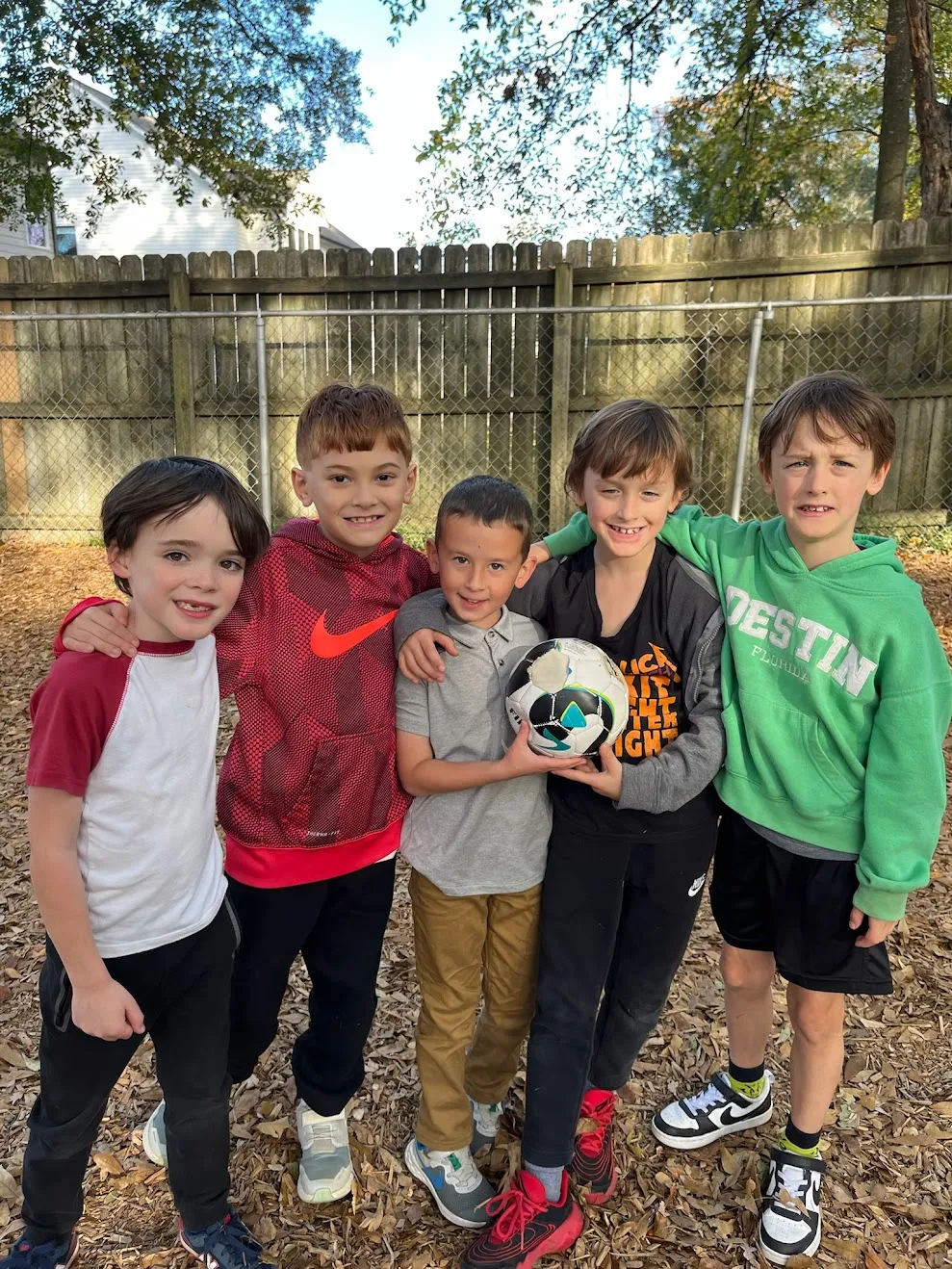
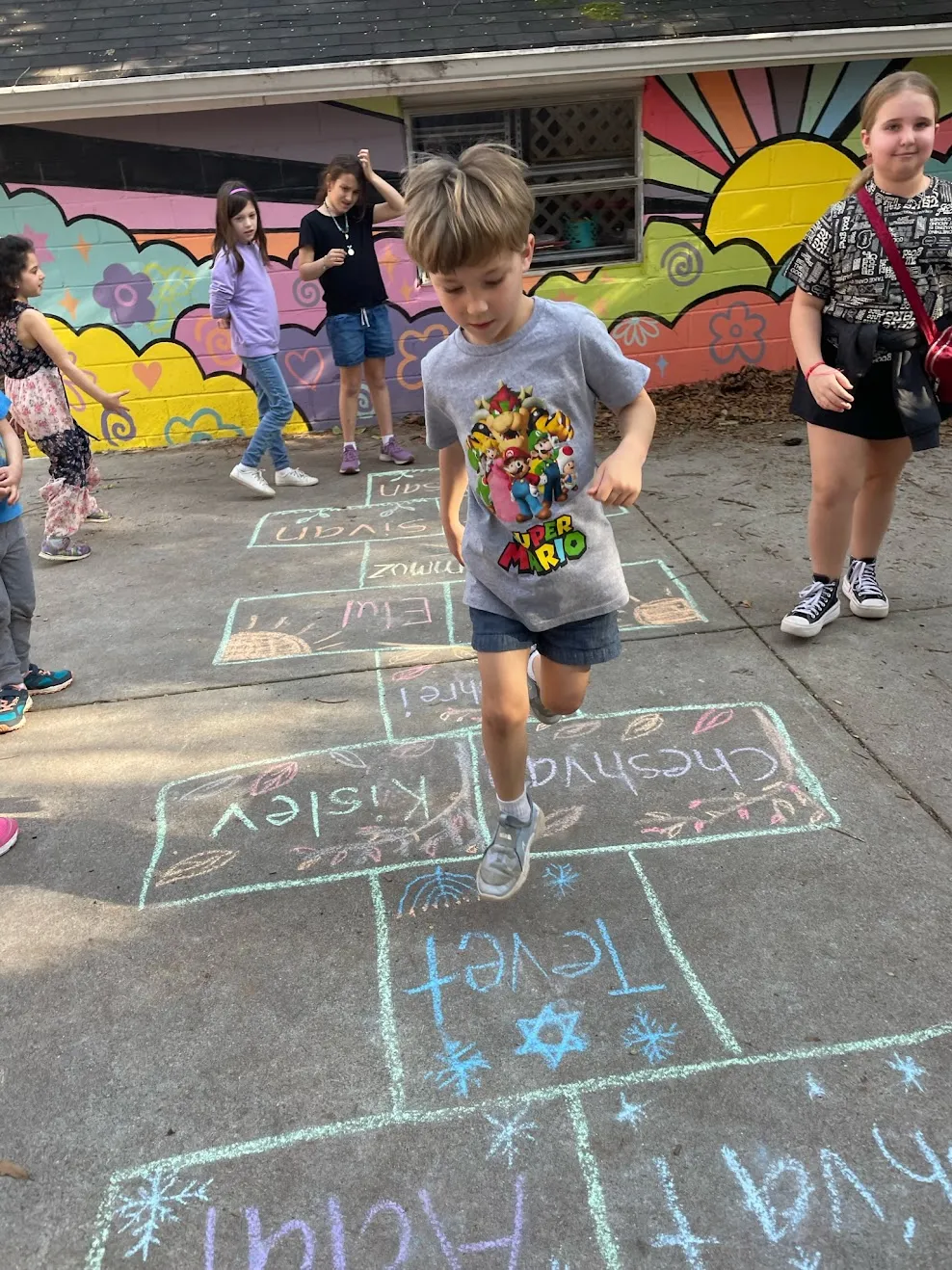
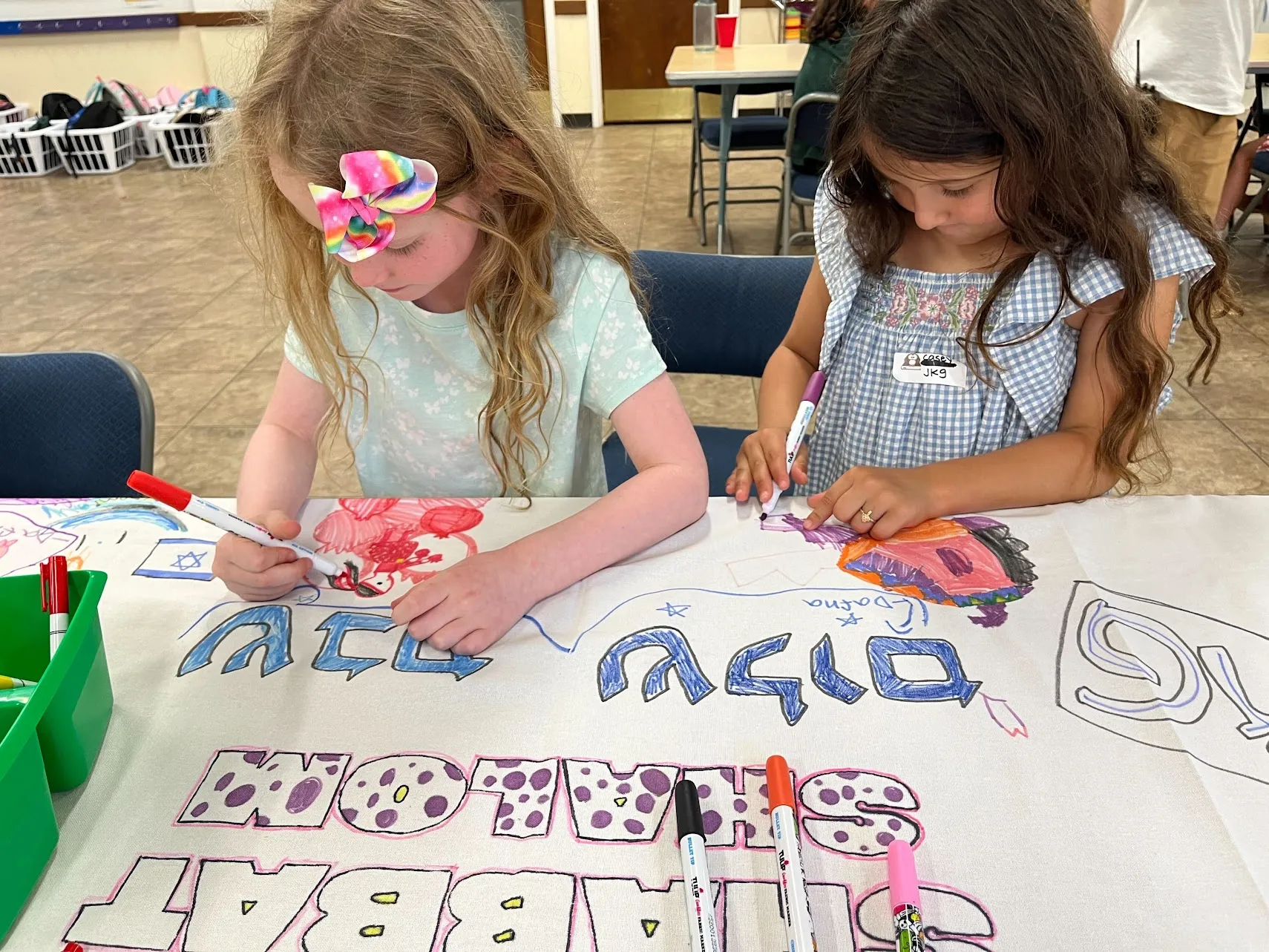
On any given weekday afternoon in Atlanta, children gather after school not just for childcare, but for Jewish friendship, music, questions, and community. What began in 2012 with just six children has grown into something far larger — and far-reaching.
In 2023, Jewish Kids Groups (JKG) launched the Jewish After School Accelerator (JASA) to expand its Atlanta-born model to communities across North America. Today, 27 programs, including three in Atlanta, are operating or in development, highlighting JKG’s impact as a homegrown innovator reshaping Jewish education nationwide. None of this would have been possible without local support from Federation for JKG’s work here in our community.
For Rachel Dobbs Schwartz, JKG’s Chief Innovation Officer, the national expansion is both exciting and deeply rooted in Atlanta’s communal spirit.
“Atlanta is an incredible Jewish community that has invested resources, time, and energy into innovative programming and into being a leader,” Rachel says. JKG, she added, has been “a great recipient of that generosity,” and the organization is proud that a local idea is now helping communities across the continent.
The idea itself is deceptively simple: meet families where they already are.
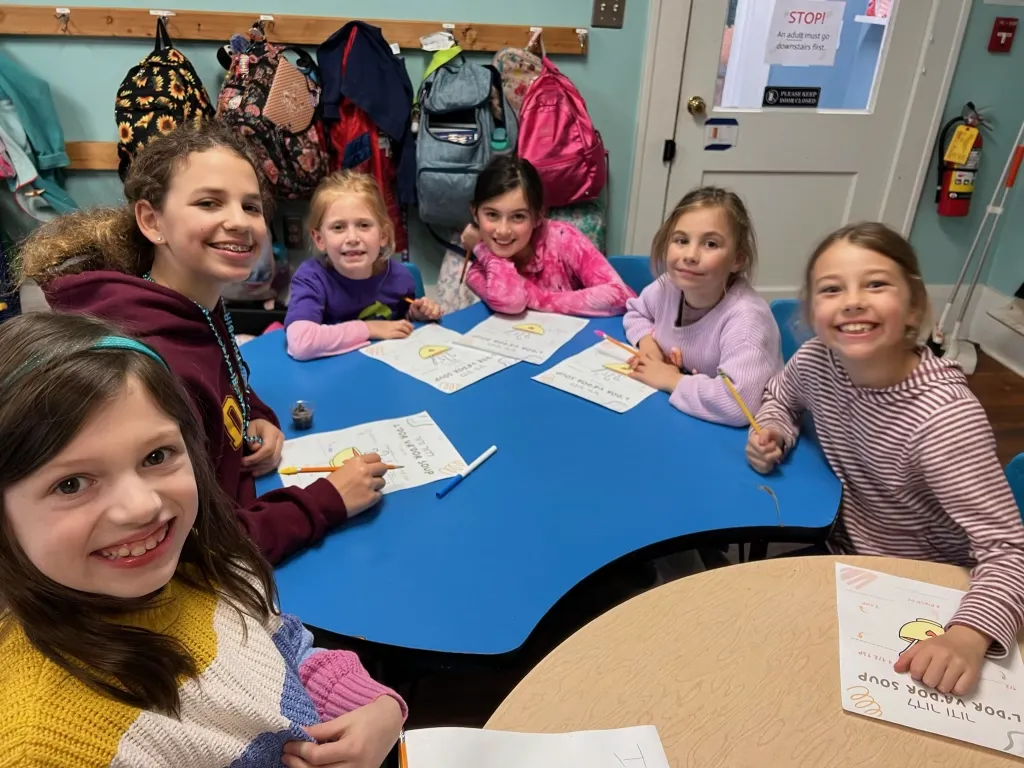
Modern parents need after-school care. Jewish after school weaves Jewish learning into those weekday hours — what Rachel describes as an “adjacency service,” providing something families rely on daily, infused with joyful and accessible Jewish life. Children sing and celebrate holidays, ask big questions, practice Hebrew, and build friendships — all in a space designed to feel warm and welcoming.
The Accelerator helps synagogues and Jewish organizations adopt that model. Over three years, participating communities receive coaching, curriculum, budgeting tools, and matching grants, along with weekly guidance from JKG’s expert team. The goal is not simply to launch programs, but to build ones that are financially sustainable and deeply integrated into communal life.
And the results extend beyond the classroom.
Data from parent surveys and third-party evaluations show that when children enroll in Jewish after school, families become more involved in Jewish life overall. Parents attend events. Some join synagogues. Younger siblings follow in their footsteps.
Part of that impact comes from time. Children may spend up to 20 to 25 hours a week in a Jewish after-school environment — time to absorb not only Jewish content, but also the intangibles: leadership, belonging, community. Judaism becomes woven into the rhythm of daily life rather than confined to a once-a-week experience.
For Rachel, the broader takeaway mirrors a value long championed by Atlanta’s Jewish community: collaboration.
“The ability to collaborate between organizations and to have serious conversations about the population that’s living in the area and what they need and want — these are things that have enabled Atlanta to be so successful and responsive,” she said.
From a local experiment to a national movement, Jewish after school is proving that when communities listen, innovate, and work together, small ideas can spark big change — starting right here in Atlanta.