Kallah 2026: Open Hands, Open Hearts: Cultivating Kindness in Our Classrooms is a full-day professional development conference for Early Childhood Jewish educators, centered on cultivating kindness, empathy, and connection in our classrooms. Through meaningful learning, shared experiences, and practical tools, educators will explore how open hands and open hearts can shape nurturing, values-driven learning environments for our youngest learners.
8:30 am - 3:30 pm
Sandy Springs, exact location shared upon registration
Schools will be invoiced $36 per registrant.
Jewish Federation of Greater Atlanta

Dr. Noah Hichenberg has spent his career working in preschools, first as a classroom teacher and now as a director for more than a decade. He holds a Master’s degree from Fordham University and an Ed.D. in Early Childhood Curriculum and Teaching from Teachers College, Columbia University.
Noah’s work centers on the balance between adult control and child agency, exploring how parents and educators can learn to trust children as active contributors in daily life at home and school. He currently serves as the preschool director at Adas Israel Congregation in Washington, DC, teaches as an adjunct professor at the American Jewish University, and is the author of A New Vision for Early Childhood Education: Rethinking Our Relationships with Young Children (Routledge, 2025). He lives in Maryland with his wife and four children.
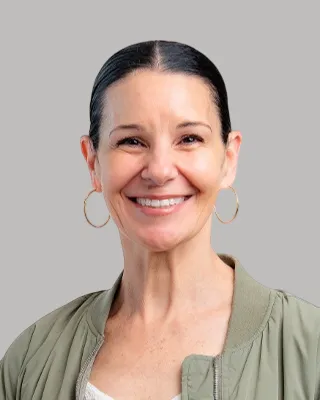
Abby Aloni is in her tenth year as Head of Early Childhood at Bernard Zell Anshe Emet Day School in Chicago, where she works closely with dedicated educators, engaged students, and supportive families. She has been a member of the Bernard Zell faculty since 1995, teaching kindergarten and second grade before serving as Head of the Lower School for eight years.
Abby holds a Bachelor of Arts in Sociology from Brandeis University, a multiple-subject teaching credential from the University of California, Sacramento, and a Certificate in Early Education Leadership from the Harvard Graduate School of Education. She is actively involved in professional learning communities focused on educational coaching, Reggio-inspired pedagogy, inclusion, and Israel education, and serves on the Paradigm Project’s leadership team as Director of Programming.

Rena Grosser has been an early childhood educator at Bernard Zell Anshe Emet Day School in Chicago since 2015 and has served as the Judaic Atelierista since 2021. A graduate of Jewish day schools, she integrates her background in art therapy and art appreciation into her work through a Jewish lens and the Reggio Emilia approach.
Rena earned her bachelor’s degree from Queens College and a master’s degree in Creative Arts Therapy from Hofstra University. As a Judaic Atelierista, she is dedicated to nurturing students’ spiritual and creative growth through artistic expression, helping young learners weave Torah learning, Jewish values, and a connection to Israel into their daily experiences.

Janine Wiskind, MS, OTR/L, received her Master of Science degree in Occupational Therapy from Brenau University in 2002. She has worked in a wide range of settings, including hospitals, school systems, home environments, and outpatient clinics, beginning her career at Children’s Healthcare of Atlanta. In 2013, Janine opened her own clinic, where she is passionate about building meaningful relationships with the children and families she serves.
A national speaker, Janine travels regularly to educate therapists on functional neuroanatomy, primitive reflex integration, and incorporating these concepts into playful, functional treatment. Outside of work, she enjoys time with her family, being outdoors, Les Mills exercise classes, and getting a good night’s sleep.
Sally Fuhrmeister, M.S., CCC-SLP is a speech-language pathologist and the manager of the Louise and Brett Samsky Preschool at the Marcus Autism Center, an inclusive preschool for children with and without autism. She received her undergraduate degree in Communication Sciences and Disorders at Florida State University and her master’s degree in Speech-Language Pathology at Vanderbilt University. Sally’s clinical focus is naturalistic caregiver and teacherimplemented intervention for young children with and at risk for autism. She has partnerships with a variety of public and private entities with trainings focused on promoting inclusion of neurodiverse children in early childhood settings.
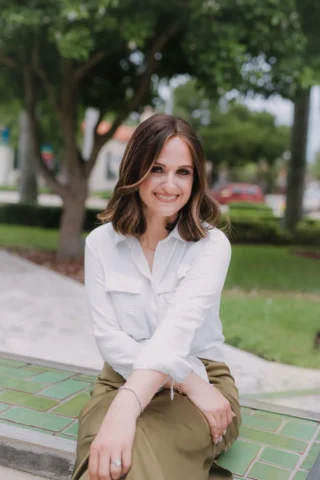
Yehudis Smith, M.Ed is the Director of Early Childhood at CAJE Miami, where she supports a network of 30 Jewish ECE programs throughout Miami-Dade. She is also an independent ECE consultant, teacher mentor, and child development specialist. Yehudis spent over 15 years in the classroom teaching all ages and stages of early childhood, and holds a Masters Degree in Special Ed. Early Childhood Education. She is currently pursuing her doctoral degree in Early Childhood Educational Leadership from AJU. Yehudis is a parenting educator and coach and is the published author of the book Rethinking Discipline. She resides in Coral Springs, FL with her husband, 5 kids, and 2 kittens.

Pam is the Director of Family Engagement at the Jewish Federation of Greater Atlanta, where she leads initiatives that strengthen connections between families and the Jewish community. She manages a dynamic team focused on creating inclusive, welcoming spaces for families at every stage of life.
Pam holds an undergraduate degree in Psychology from Emory University and a Master’s degree in Rehabilitation Counseling from the University of Florida. She began her career with the Jewish Federation of Greater Atlanta in 2018 as a parent connector, later managing the PJ Library program, and is a graduate of the M² Atlanta Educators Cohort. Pam is passionate about making Jewish life accessible and helping families find communities of belonging. She lives in Dunwoody with her husband and three children.
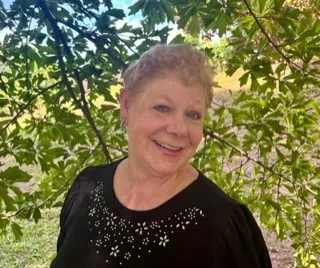
Natalie Jones has delighted audiences across the Southeast for over 25 years. A former park ranger, teacher and librarian, she hails from Eastern Kentucky, a great growing ground for stories. Her interactive style engages all ages, but she has special skills with children. Her programs feature music, puppets and props to create energy-filled presentations. She also teaches her craft, conducting dynamic workshops for storytellers, teachers and librarians and serves as a preschool trainer. Natalie holds an MS in Library Science. Currently she is a teaching artist in storytelling and music for The Craddock Center in Cherry Log, GA.

Jessica Dickson has worked in the Atlanta Jewish community for almost 30 years in many different capacities. For the last 15 years, as the Judaics Specialist at the MJCCA Weinstein School. She enjoys designing and facilitating developmentally appropriate, inclusive Jewish learning for people of all ages. Jessica is passionate about helping caregivers understand children’s behavior through a lens of connection and communication, empowering families to build strong, emotionally healthy relationships. Jessica holds a BA in Psychology with a minor in Child and Family Development from the University of Georgia, a Master’s degree in Jewish Education, and has recently completed her Parent Coaching certification through the Jai Institute. She lives in Dunwoody with her family, including husband (Matt), son (21), daughter (17), and new puppy.
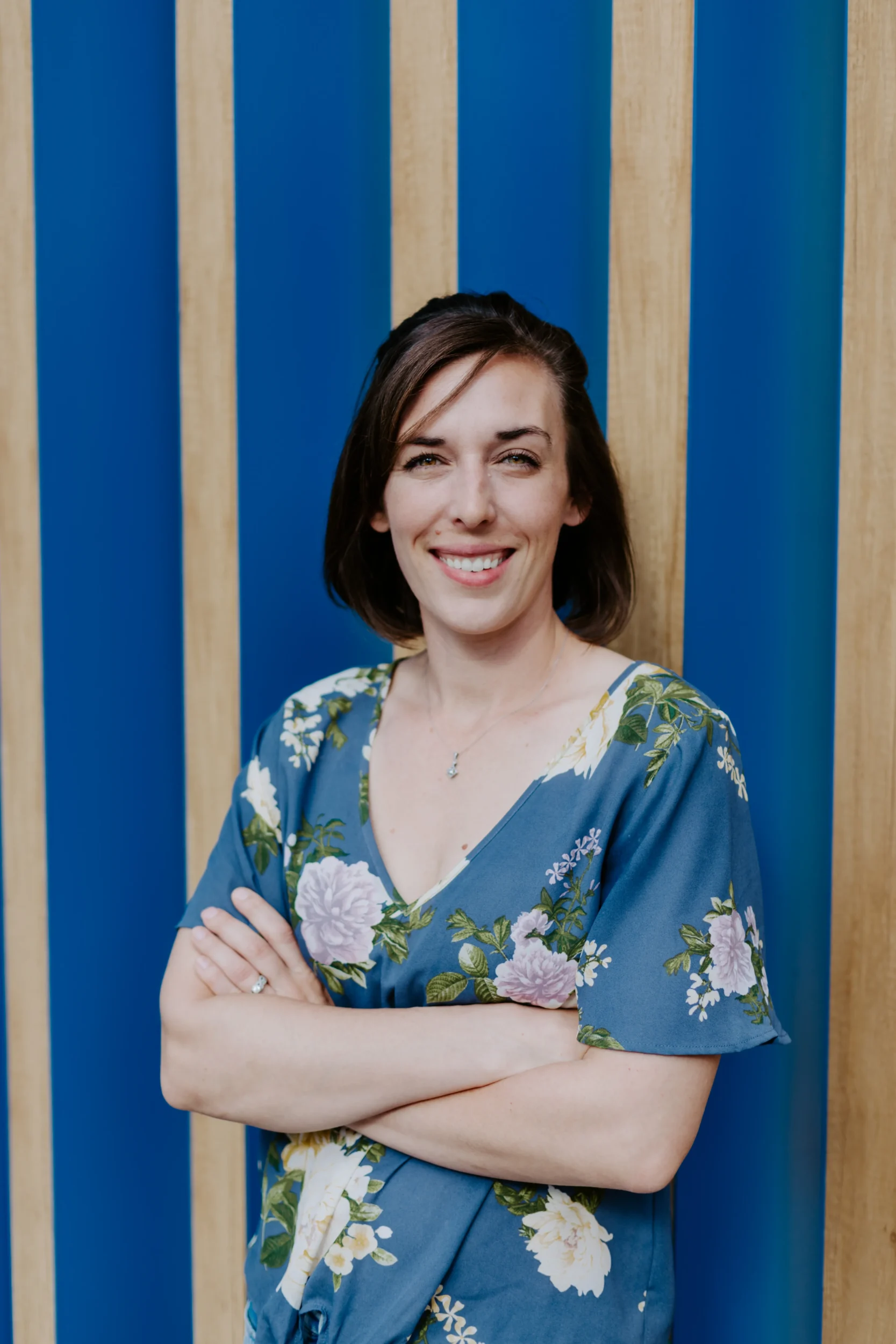
Katherine supports infants and toddlers in building strength, coordination, and mobility through family-centered, play-based physical therapy that fits naturally into daily routines and natural environments. She has worked with children in outpatient clinics, early intervention programs, neurodevelopmental centers, and preschools, and brings a practical, encouraging approach to helping young children reach meaningful motor milestones.
As a mother of three young children, Katherine understands the realities of busy family life and is passionate about empowering parents and educators with simple, realistic strategies that support development without added stress. Outside of work, she enjoys exploring Atlanta with her husband and three boys, especially in search of the city’s best pastries and family-friendly spots.
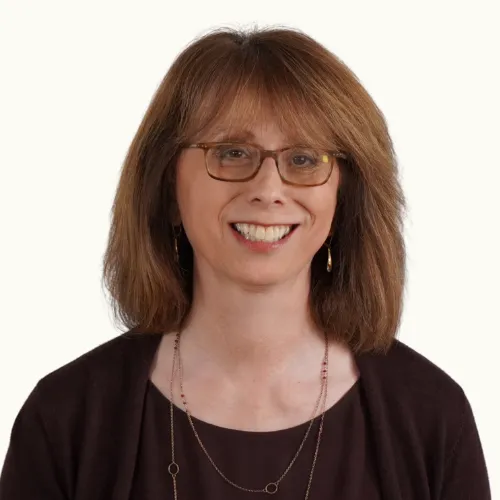
Shelley Fogelson joined the Jewish Federation of Greater Atlanta in July 2024 as the Manager of Day School Partnerships, after more than 30 years as a teacher and principal in day schools across four states. During her tenure as a teacher, Shelley taught Hebrew language and Judaic studies to elementary-age children. As a lower school principal, Shelley worked closely with teachers, the student support team, and parents to ensure the well-being and success of all students. She particularly enjoyed facilitating professional development and coaching new teachers.
Her background includes an undergraduate degree in Psychology and Political Science from Leeds University and a Master’s in Jewish Education from the William Davidson School of Jewish Education. Outside of work, Shelley enjoys spending time with her children (all day school graduates) and grandchildren, going for long walks, and reading.
Trust The Children with Dr. Noah Hichenberg
Contemporary American parenting and teaching practices have been built to control the preschool child. This over-extension of control into the daily life of the child diminishes their capacity to participate in, and contributes to, the world they live in. We will examine how and why this has come to be, and what teachers and parents can do to re-orient their relationship with children away from control and towards trust.
Dr. Hichenberg’s unique research, an ethnography of a two-year-old, will be used to highlight what this saturation of control looks like in the daily life of a preschooler and what we can do about it as teachers and parents.
WORKSHOP FULL: Trust the Children: Putting it into Practice with Dr. Noah Hichenberg
Early childhood educators excel at creating nurturing classroom communities. As the diversity of our students and staff continues to grow, our role is to expand the horizons of what community truly means. One powerful framework to adopt is the concept of ‘mirrors, windows, and sliding glass doors,’ which illuminates the brilliance of all cultures both within and outside our schools. Join this workshop to explore accessible theories and practical, classroom-ready ideas. Ensure that every child not only appreciates the beauty of their own culture but also understands the value of diversity in our shared community.
Supporting Play and Language Development in Neurodivergent Learners with Sally-Fuhrmeister
Supporting the development of play and language is a key role of early childhood educators, as language and play are intrinsically linked. However, when confronted with a child whose language and play are developing in different ways, it is essential to have knowledge and understanding of this difference, as well as the ways that educators can better support development. In this session, participants will have the opportunity to learn about play and language of neurodivergent learners as well as effective strategies to support that growth in everyday classroom activities.
Energizing the Everyday in Early Childhood with Yehudis Smith
A high-energy workshop that helps early childhood educators bring fresh energy, warmth, and creativity to transform daily routines – like transitions, handwashing, and mealtime – into joyful, engaging moments. Participants will learn simple, practical strategies to add playfulness, ease, and connection and discover how to turn ordinary moments into opportunities for joy, community, and smoother classroom flow.
Put the Book Down with Natalie Jones
A performing storyteller for over 30 years, Natalie brings her tried and true techniques for storytelling. As someone who creates new story ideas every week, Natalie will show easy short cuts for how to tell your own version of favorite stories. You can combine with reading aloud or tell it on your own. Participants will have the opportunity to learn the following: Learn to recognize that you already know and are telling stories informally and apply that skill to stories for your classroom; Gain hands-on experience during demonstrations of the story techniques listed in the workshop description; Have the opportunity to work in a group to act out a scripted story.
Seamless Judaism: Our Joyful Journey with Abby Aloni and Rena Grosser
Jewish Early Childhood Centers are sacred spaces that, when viewed with intention, support children in exploring their Jewish identities in the most joyful way! This session will give a glimpse into our school’s journey as we put our values at the forefront and, ultimately, created the Judaic Atelier, a place for innovative play and learning that elevated seamless Judaism throughout our school. Grounded in the Reggio Emilia and atelierista framework, this session invites educators to examine the role of environment, materials, and intentional design in supporting child development and identity formation. Participants will engage in guided reflection and discussion focused on the process of making thoughtful, values-aligned changes within a school community. Educators will leave with increased understanding of how reflective practice and collaborative decision-making can inform meaningful shifts in pedagogy and learning spaces.
(3–5-year-old Teachers) Exploring Challenging Behaviors Through an OT Sensory–Motor Lens with Janine Wiskind
Over the past twenty years, changes in children’s early movement experiences, sensory input, and developmental expectations have contributed to increased challenges with regulation, body awareness, and behavior. Parents and educators are seeing more children struggle with behaviors such as biting, difficulty with personal space, toileting challenges, transitions, and emotional meltdowns, particularly during the critical developmental periods of birth–3 and ages 3–5. This course examines these behaviors through a sensory–motor and developmental lens, rather than a traditional behavioral model focused on rewards, consequences, or compliance. Participants will learn to view behavior as meaningful information about what a child’s body and brain are experiencing or missing, including sensory processing, motor development, reflex patterns, and body awareness. Emphasis will be placed on understanding why behaviors occur and on using proactive, preventative strategies that support regulation, participation, and skill development across early childhood environments.
Bringing Jewish Values to Life: Using PJ Library Books in the Classroom with Pam Cohen
Stories have the power to shape values and create meaningful learning experiences. In this workshop we will explore how PJ Library books can be used as engaging tools to teach Jewish values in preschool classrooms. We will highlight ways to bring Jewish values such as kindness to animals, gratitude and caring for the environment to life through specific PJ Library titles. Participants will leave with creative ideas and resources to bring Jewish values to life through literature.
WORKSHOP FULL: (Infant/Toddler Teachers) Move, Play, Learn: Early Motor Development and Play-Based Strategies to Promote Learning for Infants and Toddlers with Katherine Benkeser
Early motor development provides the foundation for postural control, self mobility, and exploration in the infant and toddler. We will explore the progression of gross motor skill acquisition and how early movement patterns and experiences support the development of strength, coordination, and self-mobility that carries forward throughout childhood and why play is a powerful tool for learning these skills. This session focuses on what this development looks like in real life. We’ll explore how simple, playful interactions—many already happening at home or in the classroom—can intentionally support motor development and early learning. Participants will leave with practical, play-based strategies that can be easily embedded into daily routines and classroom environments to promote movement, curiosity, and engagement.
Trust the Children: Putting it into Practice with Dr. Noah Hichenberg
Early childhood educators excel at creating nurturing classroom communities. As the diversity of our students and staff continues to grow, our role is to expand the horizons of what community truly means. One powerful framework to adopt is the concept of ‘mirrors, windows, and sliding glass doors,’ which illuminates the brilliance of all cultures both within and outside our schools. Join this workshop to explore accessible theories and practical, classroom-ready ideas. Ensure that every child not only appreciates the beauty of their own culture but also understands the value of diversity in our shared community.
Supporting Play and Language Development in Neurodivergent Learners with Sally-Fuhrmeister
Supporting the development of play and language is a key role of early childhood educators, as language and play are intrinsically linked. However, when confronted with a child whose language and play are developing in different ways, it is essential to have knowledge and understanding of this difference, as well as the ways that educators can better support development. In this session, participants will have the opportunity to learn about play and language of neurodivergent learners as well as effective strategies to support that growth in everyday classroom activities.
WORKSHOP FULL: Energizing the Everyday in Early Childhood with Yehudis Smith
A high-energy workshop that helps early childhood educators bring fresh energy, warmth, and creativity to transform daily routines – like transitions, handwashing, and mealtime – into joyful, engaging moments. Participants will learn simple, practical strategies to add playfulness, ease, and connection and discover how to turn ordinary moments into opportunities for joy, community, and smoother classroom flow.
Put the Book Down with Natalie Jones
A performing storyteller for over 30 years, Natalie brings her tried and true techniques for storytelling. As someone who creates new story ideas every week, Natalie will show easy short cuts for how to tell your own version of favorite stories. You can combine with reading aloud or tell it on your own. Participants will have the opportunity to learn the following: Learn to recognize that you already know and are telling stories informally and apply that skill to stories for your classroom; Gain hands-on experience during demonstrations of the story techniques listed in the workshop description; Have the opportunity to work in a group to act out a scripted story.
Seamless Judaism: Our Joyful Journey with Abby Aloni and Rena Grosser
Jewish Early Childhood Centers are sacred spaces that, when viewed with intention, support children in exploring their Jewish identities in the most joyful way! This session will give a glimpse into our school’s journey as we put our values at the forefront and, ultimately, created the Judaic Atelier, a place for innovative play and learning that elevated seamless Judaism throughout our school. Grounded in the Reggio Emilia and atelierista framework, this session invites educators to examine the role of environment, materials, and intentional design in supporting child development and identity formation. Participants will engage in guided reflection and discussion focused on the process of making thoughtful, values-aligned changes within a school community. Educators will leave with increased understanding of how reflective practice and collaborative decision-making can inform meaningful shifts in pedagogy and learning spaces.
WORKSHOP FULL: Exploring Challenging Behaviors Through an OT Sensory–Motor Lens with Janine Wiskind
Over the past twenty years, changes in children’s early movement experiences, sensory input, and developmental expectations have contributed to increased challenges with regulation, body awareness, and behavior. Parents and educators are seeing more children struggle with behaviors such as biting, difficulty with personal space, toileting challenges, transitions, and emotional meltdowns, particularly during the critical developmental periods of birth–3 and ages 3–5. This course examines these behaviors through a sensory–motor and developmental lens, rather than a traditional behavioral model focused on rewards, consequences, or compliance. Participants will learn to view behavior as meaningful information about what a child’s body and brain are experiencing or missing, including sensory processing, motor development, reflex patterns, and body awareness. Emphasis will be placed on understanding why behaviors occur and on using proactive, preventative strategies that support regulation, participation, and skill development across early childhood environments.
WORKSHOP FULL: Creating Community Through Relationships: Strategies for Preschool Family Engagement with Pam Cohen
Discover how relationship-based engagement can transform communities and foster a deep sense of belonging among families. This session will explore practical strategies for creating meaningful connections among parents in your school community. Participants will leave with actionable tools to enhance family engagement and cultivate inclusive, supportive spaces where every family feels valued.
(Infant/Toddler Teachers) Move, Play, Learn: Early Motor Development and Play-Based Strategies to Promote Learning for Infants and Toddlers with Katherine Benkeser
Early motor development provides the foundation for postural control, self mobility, and exploration in the infant and toddler. We will explore the progression of gross motor skill acquisition and how early movement patterns and experiences support the development of strength, coordination, and self-mobility that carries forward throughout childhood and why play is a powerful tool for learning these skills. This session focuses on what this development looks like in real life. We’ll explore how simple, playful interactions—many already happening at home or in the classroom—can intentionally support motor development and early learning. Participants will leave with practical, play-based strategies that can be easily embedded into daily routines and classroom environments to promote movement, curiosity, and engagement.
Trust the Children: Putting it into Practice with Dr. Noah Hichenberg
Early childhood educators excel at creating nurturing classroom communities. As the diversity of our students and staff continues to grow, our role is to expand the horizons of what community truly means. One powerful framework to adopt is the concept of ‘mirrors, windows, and sliding glass doors,’ which illuminates the brilliance of all cultures both within and outside our schools. Join this workshop to explore accessible theories and practical, classroom-ready ideas. Ensure that every child not only appreciates the beauty of their own culture but also understands the value of diversity in our shared community.
Supporting Play and Language Development in Neurodivergent Learners with Sally-Fuhrmeister
Supporting the development of play and language is a key role of early childhood educators, as language and play are intrinsically linked. However, when confronted with a child whose language and play are developing in different ways, it is essential to have knowledge and understanding of this difference, as well as the ways that educators can better support development. In this session, participants will have the opportunity to learn about play and language of neurodivergent learners as well as effective strategies to support that growth in everyday classroom activities.
(For Directors and School Leaders): Emotionally Responsive Leadership: The Inner Work of Leading ECE Communities with Yehudis Smith
Designed specifically for early childhood directors, this reflective session explores the inner work of Emotionally Responsive Leadership. Participants will examine how mindset, emotional regulation, stress responses, and leadership presence shape school culture and staff experiences. Through guided reflection and discussion, directors will consider the hidden curriculum of their leadership: what their tone, pacing, and reactions quietly teach. This workshop prioritizes reflection over prescription, supporting leaders in moving from reactivity to presence and leading with greater clarity, compassion, and intention.
Put the Book Down with Natalie Jones
A performing storyteller for over 30 years, Natalie brings her tried and true techniques for storytelling. As someone who creates new story ideas every week, Natalie will show easy short cuts for how to tell your own version of favorite stories. You can combine with reading aloud or tell it on your own. Participants will have the opportunity to learn the following: Learn to recognize that you already know and are telling stories informally and apply that skill to stories for your classroom; Gain hands-on experience during demonstrations of the story techniques listed in the workshop description; Have the opportunity to work in a group to act out a scripted story.
WORKSHOP FULL: Child Development in Action: A Facilitated Case Study Approach with Shelley Fogelson
This facilitated learning session focuses on child development theory, developmentally appropriate practice, and values-based learning as they relate to early childhood education. Guided by a professional facilitator, participants will examine educator-led case study examples that illustrate research-based approaches to supporting children’s learning, relationships, and classroom environments. Each case study example will be presented by educators in our community, followed by structured reflection and discussion designed to deepen understanding of child development principles and explore practical application across a range of classroom settings. By the end of this session, participants will be able to: Engage in guided reflection to examine their own instructional practices; Analyze classroom strategies using a child development lens; Translate theory-informed ideas into practical classroom strategies.
WORKSHOP FULL: Molding Clay into Daily Jewish Learning with Rena Grosser
This session will offer innovative ideas to introduce clay to our youngest learners and to inspire educators to use the natural media daily in their learning environment. Participants will play with clay, think about how to set up a clay space as well as explore various ways to explore clay over the course of the year through a Jewish lens.
(Infant/Toddler Teachers) Exploring Challenging Behaviors Through an OT Sensory–Motor Lens with Janine Wiskind
Over the past twenty years, changes in children’s early movement experiences, sensory input, and developmental expectations have contributed to increased challenges with regulation, body awareness, and behavior. Parents and educators are seeing more children struggle with behaviors such as biting, difficulty with personal space, toileting challenges, transitions, and emotional meltdowns, particularly during the critical developmental periods of birth–3 and ages 3–5. This course examines these behaviors through a sensory–motor and developmental lens, rather than a traditional behavioral model focused on rewards, consequences, or compliance. Participants will learn to view behavior as meaningful information about what a child’s body and brain are experiencing or missing, including sensory processing, motor development, reflex patterns, and body awareness. Emphasis will be placed on understanding why behaviors occur and on using proactive, preventative strategies that support regulation, participation, and skill development across early childhood environments.
WORKSHOP FULL: Zones of Regulation in the Jewish Classroom with Jessica Dickson
In this interactive workshop, educators will explore the Zones of Regulation framework alongside Jewish values and language that can live authentically in daily practice. Participants will learn how teachings such as Chesed (kindness), Savlanut (patience), and B’tzelem Elohim (created in the image of the Divine) can enrich social-emotional learning, strengthen relationships, and shape classroom culture. The presenter will model practical strategies and “Jewish translations” for common SEL tools. This workshop is designed for educators at a range of familiarity with Jewish learning: it offers accessible entry points for those building foundations, while also inviting experienced Jewish educators into deeper discussion, reflection, and shared problem-solving.