A Journey Toward Belonging at Jewish Camp
July 3, 2026
A camper keeps throwing rocks during Shabbat services.
Another refuses to wear closed-toe shoes, despite being reminded every day.
A group of middle school campers would rather do almost anything than clean their cabin or take a shower before bedtime.
For summer camp counselors, these moments can feel frustrating, confusing, or even overwhelming. But what if the question isn’t “How do I get this camper to listen?” What if it’s “What is this camper trying to communicate?”
That’s the mindset shift JAccess is helping bring to Jewish summer camps across the Southeast.
As part of Jewish Federation of Greater Atlanta’s Caring for Those in Need impact area, each year JAccess provides disability inclusion training to partner camps, helping counselors better understand the diverse needs of the campers in their care and creating camp communities where every child can belong.
The work is part of what Lindsey Flax, JAccess Training Coordinator, calls an “inclusion learning journey”: an ongoing process that grows alongside campers, counselors, camp leadership, and entire camp communities.
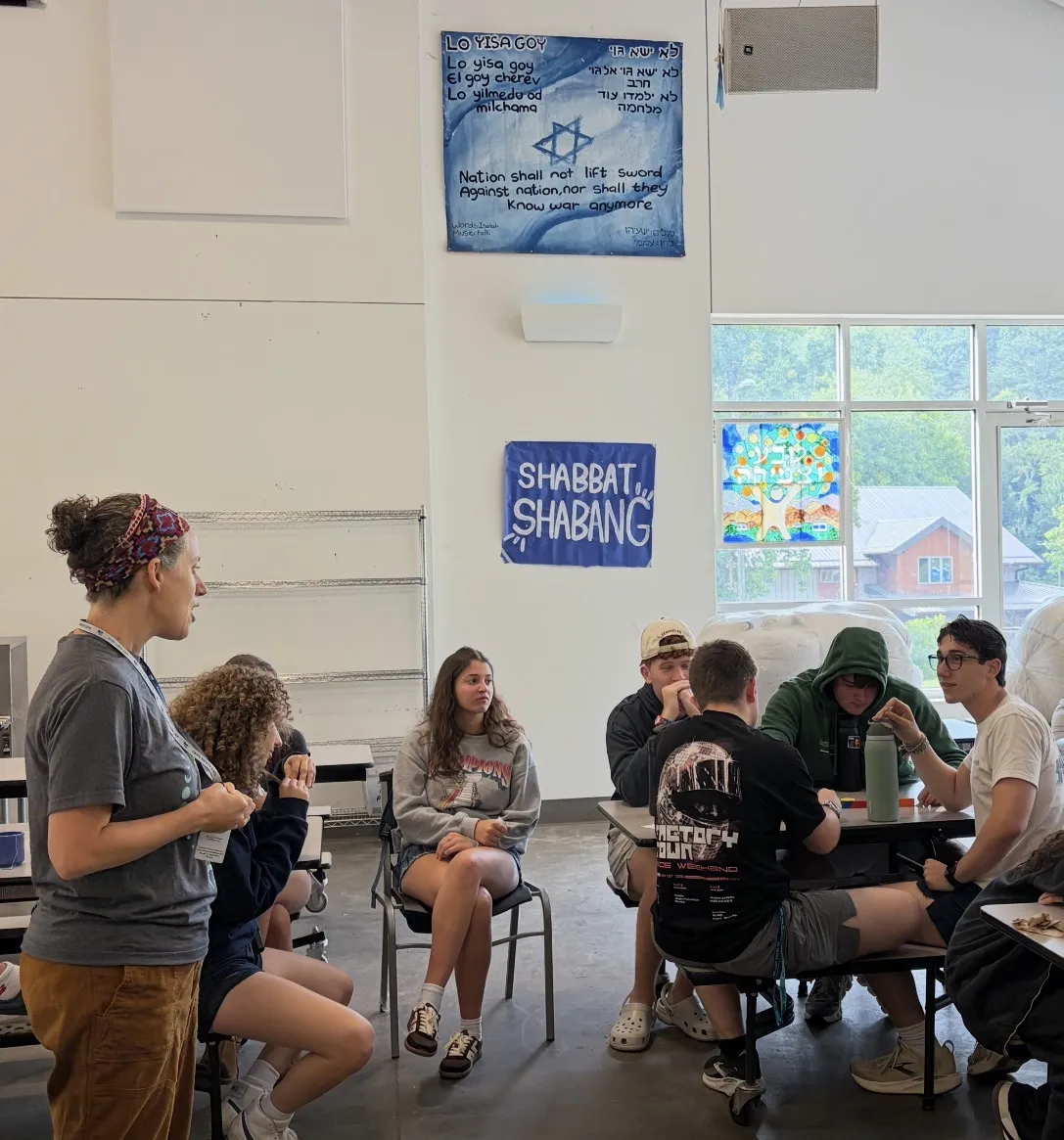
Since 2018, JAccess has brought disability inclusion trainings to camps including Camp Barney Medintz, Camp Judea, Camp Ramah Darom, Camp Coleman, Camp Judaea, In the City Camps, and MJCCA programs, helping camps become more welcoming year after year.
“We are trying to make Jewish camp welcoming for all families, without getting turned away or asked to leave,” said Lindsey. “We seek to embrace universal design for all parts of camp, allowing for equal access to being part of the camp community.”
For many camps, accessing high-quality disability inclusion training can be costly. Bringing in professional facilitators often costs hundreds, or even thousands of dollars. Thanks to Federation donors, JAccess is able to offer these trainings to partner camps at no cost, making expert guidance and support accessible throughout the Jewish camping community.
This summer, facilitators Jenna Sommer and Amy Price led interactive workshops focused on neurodiversity, inclusion, and belonging.
“It’s not just about disability,” Amy said. “It’s about how we help all campers feel welcomed at camp. We all come with different perspectives. We all have different gifts and skills. We all bring fears and need support.”
Rather than focusing on diagnoses, the trainings encourage counselors to approach challenges with curiosity.
“We’re trying to demystify inclusion and disabilities,” Jenna said. “A lot of counselors feel like they’re not prepared to support every camper. My favorite outcome is when staff leave saying, ‘Okay, I can do this.'”
For Jenna, one of the most meaningful moments often happens after a training ends.
“A staff member will come up and say, ‘I am this kid. “I was this kid,'” she said. “‘Thank you for talking about this kid, because now I feel belonging in this staff. I feel like they’re here to support me, and they’re here to support the kids that are like me.'”
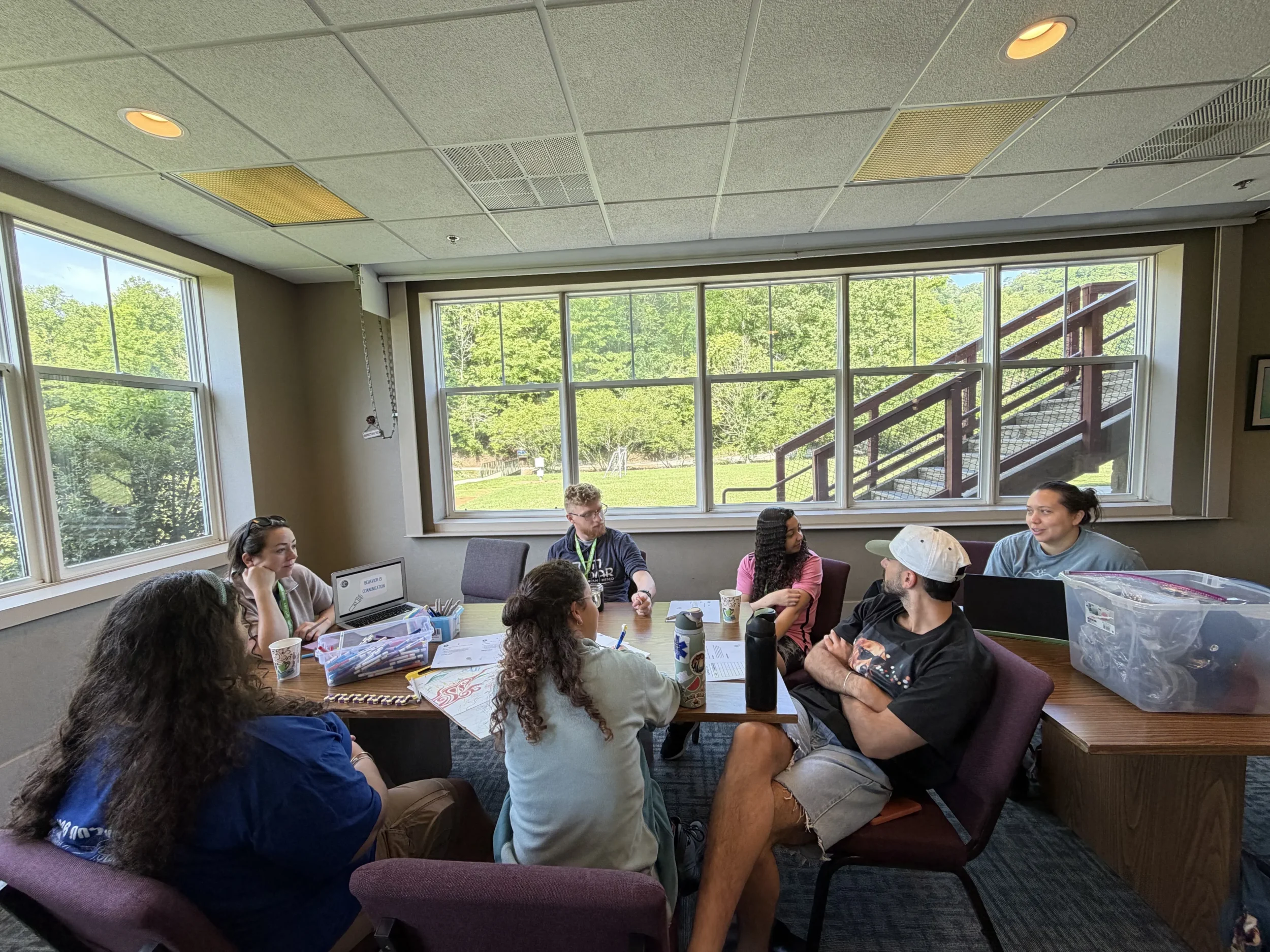
Ultimately, that’s the goal.
“Yes, we’re thinking about inclusion, strategies, and disabilities,” Amy said. “But the outcome of all of this work is belonging. We want every child, family, and staff member to feel like camp is a place where they truly belong.”
And that sense of belonging is what drives inclusion learning journeys. While camps have made significant progress over the years, the work continues as counselors gain experience, leadership teams strengthen inclusive practices, and camps find new ways to support campers and families.
“We are trying to make Jewish sleep-away camp welcoming for all families, creating a space where every child feels seen, valued, and supported,” Lindsey said.
The goal is not perfection, but continuous growth. Creating Jewish camp communities where every camper, family member, and staff person feels seen, supported, and that they belong.