CEO Spotlight: Why Long-Term Investment Builds Strong Jewish Communities
August 14, 2026
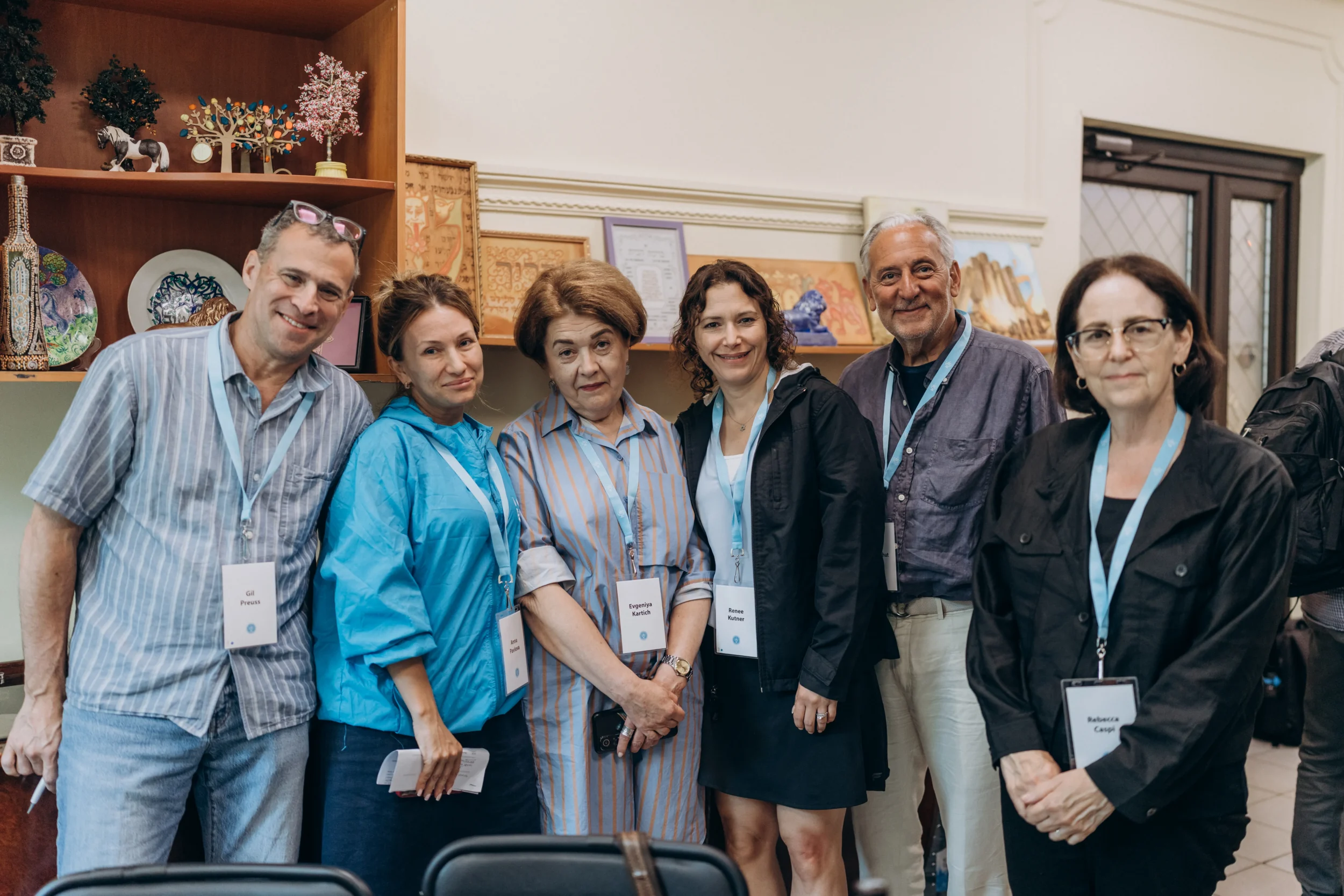
A reflection from Renee Kutner, President & CEO of Jewish Federation of Greater Atlanta
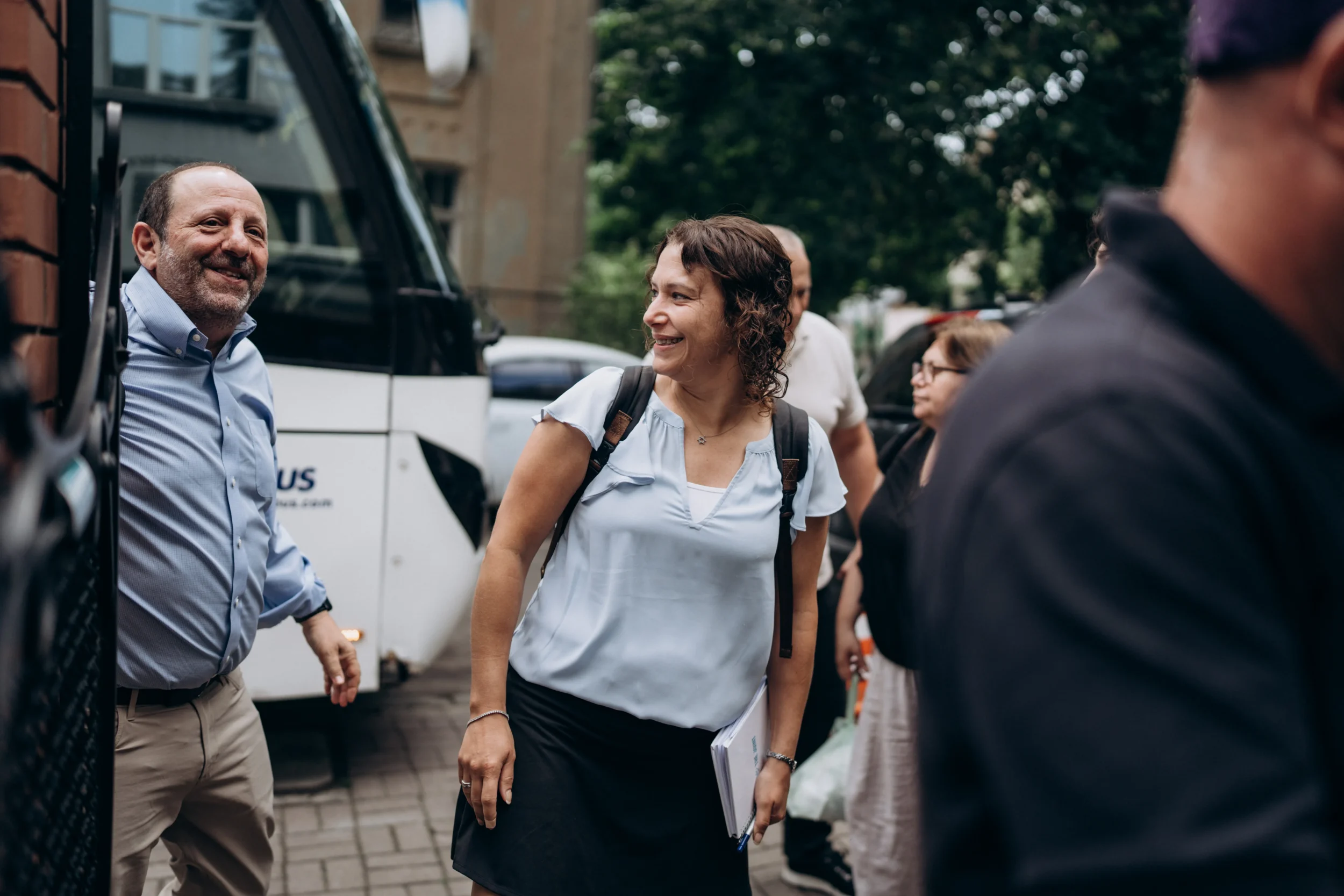
Renee Kutner recently traveled with the American Jewish Joint Distribution Committee (JDC) on a study mission to the former Soviet Union. Below, she shares what she witnessed, the people she met and why Federation’s investment in global Jewish community continues to matter.
I recently returned from a JDC (that’s the American Jewish Joint Distribution Committee) study mission to the former Soviet Union, and I came home thinking about one phrase:
Saving Jewish lives and building Jewish life.
At home, we often think of those as two different things — caring for people in need, and building Jewish identity and community.
But throughout this trip, I saw how inseparable they really are.
Under Soviet rule, generations of Jews lost so much of their connection to Jewish tradition and community. We were told that, in some families, what got passed down wasn’t a ritual or holiday tradition. It was simply this:
If you’re ever in trouble, look for the Joint.
And people did.
In Tbilisi, I met Manana, a 76-year-old former music teacher who hasn’t been able to leave her apartment in years. JDC’s Hesed network provides the food, medicine and care she needs to survive — but also technology that connects her to Torah study, exercise and community.
She told us that Hesed has kept her alive by keeping her connected.
And that was the story I saw everywhere.
People who first found the Jewish community because they needed help found belonging. Their children went to Jewish camp. Their grandchildren became volunteers and leaders.
And decades later, when crisis came to Ukraine, those investments mattered in ways no one could have predicted.
JDC didn’t have to build a humanitarian network from scratch. The JCCs, Heseds, volunteers and leaders were already there — ready to evacuate people, provide food and shelter, and hold communities together.
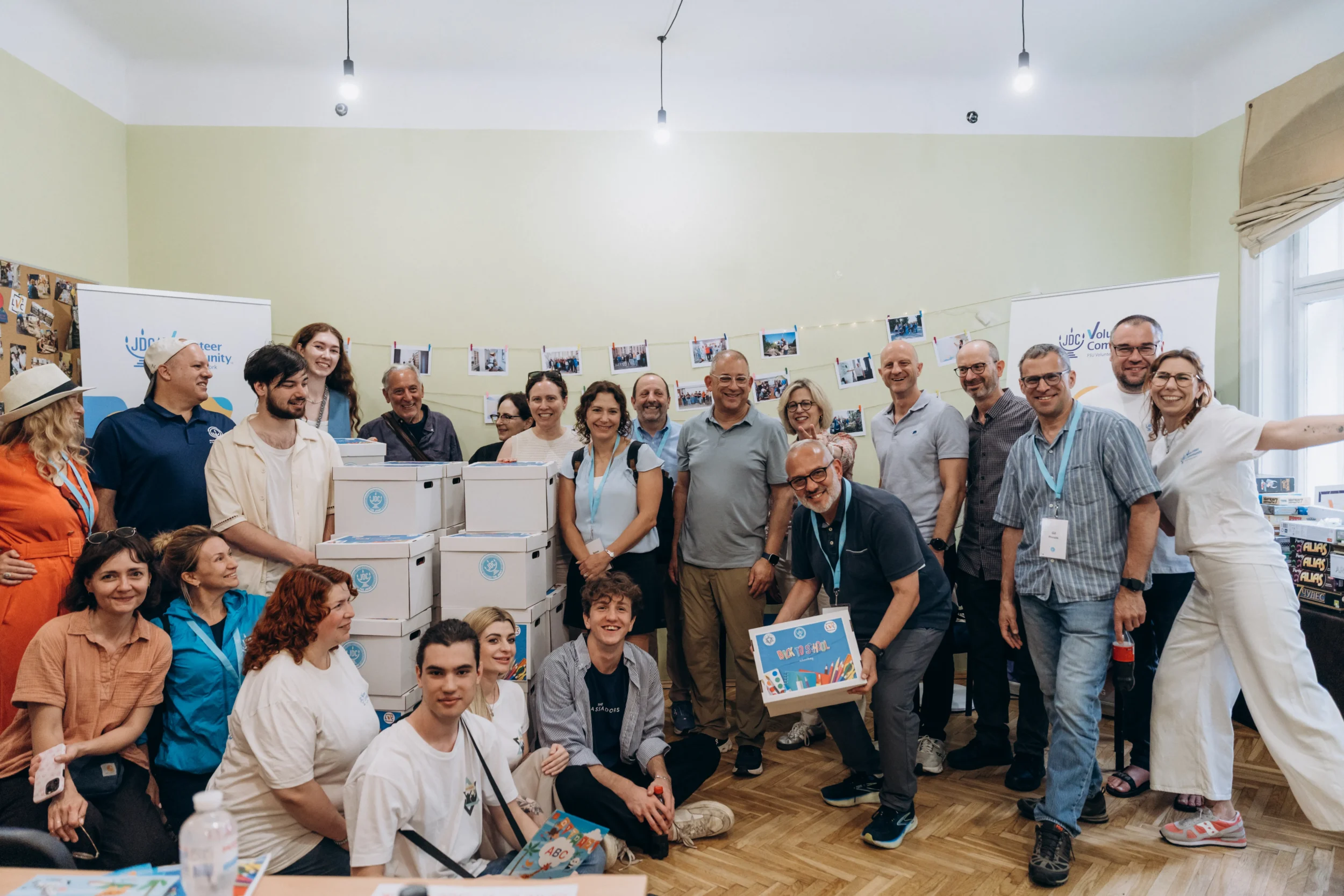
Today, the situation may no longer feel new, but the need has not gone away.
In Lviv, far from the front lines, daily life continues — but so do air-raid sirens, displacement, trauma and the enormous needs of people whose lives have been upended.
One JDC professional, Inna, said something I haven’t stopped thinking about:
“I don’t want to be resilient. I just want to be human.”
As emergency needs become steady-state needs, we cannot allow them to disappear from our agenda.
And the work is evolving. As major Holocaust-survivor funding provided by the Claims Conference declines, JDC is helping communities build the leadership, philanthropy and capacity to care for their own people and shape their own futures.
Because strong care needs strong communities.
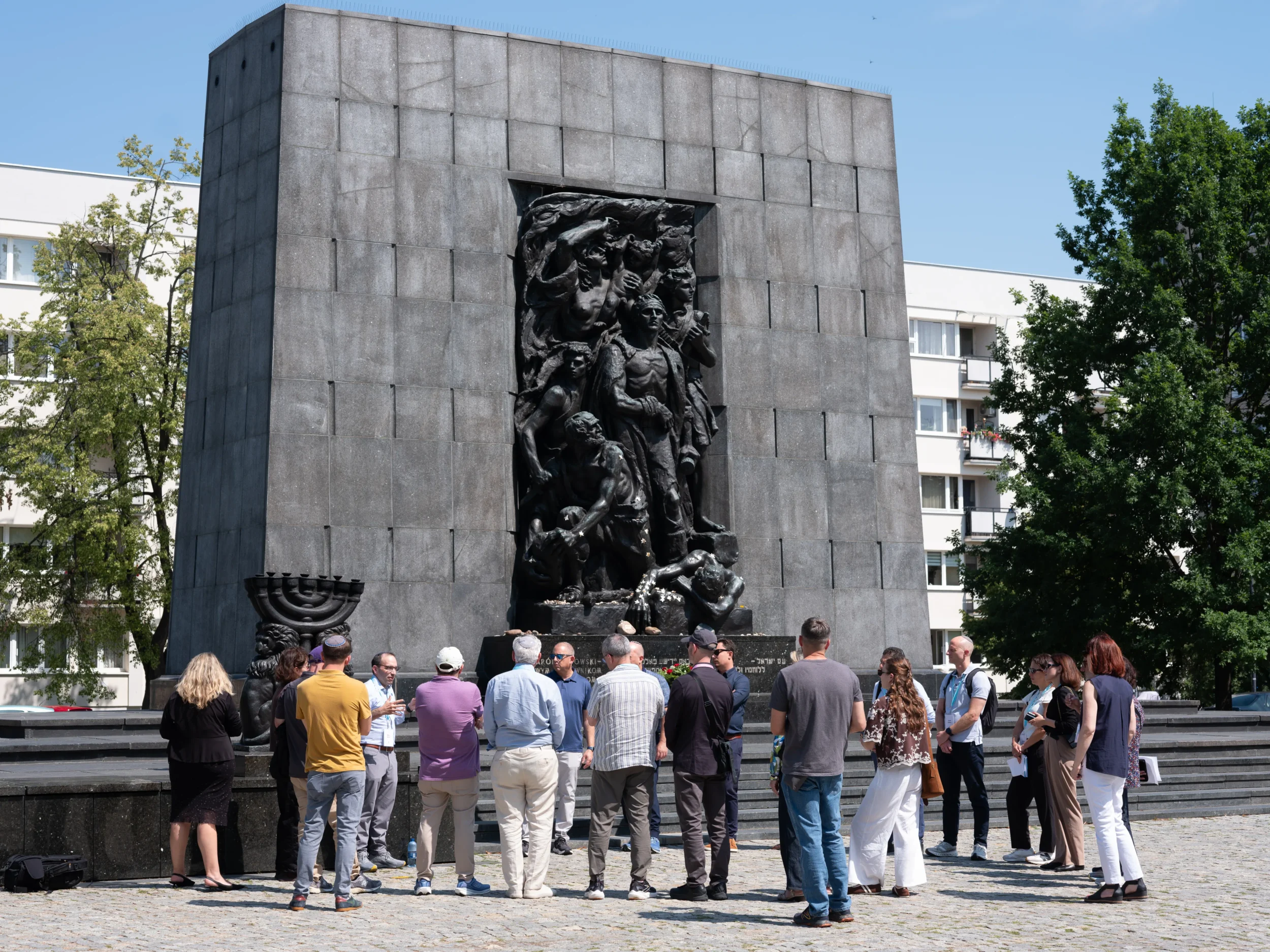
In Warsaw, I met Sasha, a young girl who fled Odessa leaving her father and grandmother behind. At first, she cried at her new Jewish school because she knew almost no one. Today, she has friends and a community.
And after October 7, Sasha made Chanukah cards for displaced Israeli children, writing about how she knew what it meant to lose a home — but also how good it could feel to find a new one.
That is peoplehood.
And I came home reminded that peoplehood has to be taught.
A Jew in Tbilisi, Kyiv, Warsaw or Lviv is part of our story too.
Our Federation investment in JDC is not simply money we send overseas. It is an investment in a global Jewish infrastructure built over generations — one that saves lives today, builds Jewish life for tomorrow, and is there when everything suddenly changes.
Sometimes the true return on an investment doesn’t reveal itself for 20 or 30 years.
Until the child who went to Jewish camp becomes the leader who holds a community together in crisis.
Until someone needs to know where to turn.
And knows to look for the Joint, powered by you through Federation.